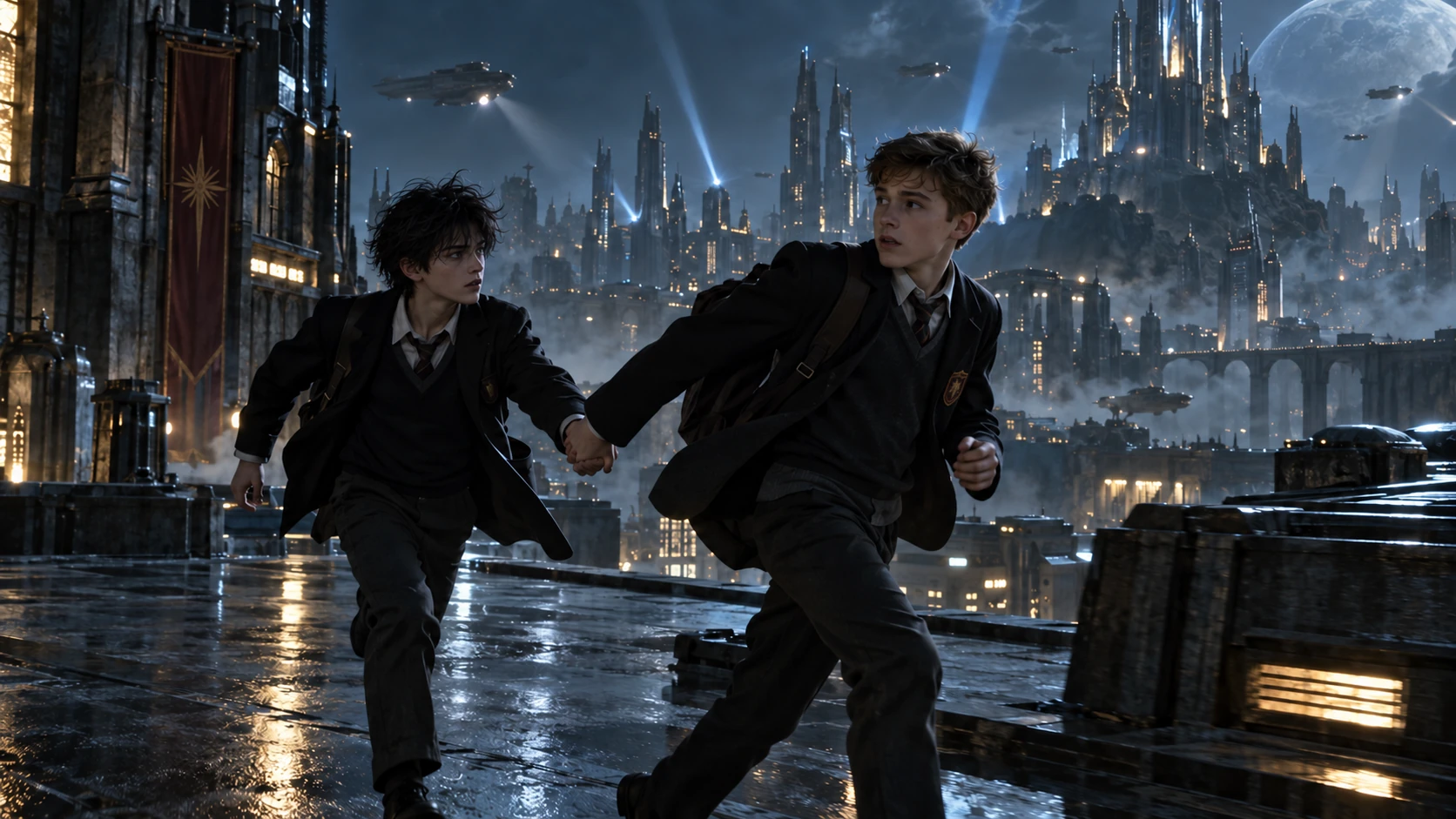
The Door That Stays gives Civilization a passage made of words: from a life named by others to a voice that can call, answer and carry someone else.
The door appears before the journey does. A bell sounds; someone takes a breath. Then the song leaves a threshold open. A door can hold the memory of confinement, but it can also make room for an arrival. The title keeps that possibility alive. Something remains open long enough for a voice to be heard, or for someone still outside to enter.
Inside the quiet room, the fire is small. Its scale matters. The first thing worth protecting is close enough to be kept beside the body, hidden from the lanterns. Later, the song calls it a spark, then a rising light. These images trace a gradual change in how a fragile existence is seen. What begins as something barely permitted to remain becomes something that can illuminate a shared morning.
We were the morning hidden in the wing.
The names in the first verse do not fit. The speaker wears them anyway, as though a name were a garment chosen by someone else. This is where the song's question of dignity begins: how much of a person can be understood through the words already assigned to them? In the final chorus, burning without a name suggests a moment of release. A life can be present before it is explained, classified or given permission.
The second verse brings other lives into the frame: a girl, a boy, a healer, a blade, a stranger, a friend. Each receives a brief gesture, with room left around it. The song asks the listener to notice what these figures do for one another: lay something down, tend a wound, call someone kin, say you can. This is the emotional force of Carry me. Companionship becomes an action, repeated until silence begins to sing.
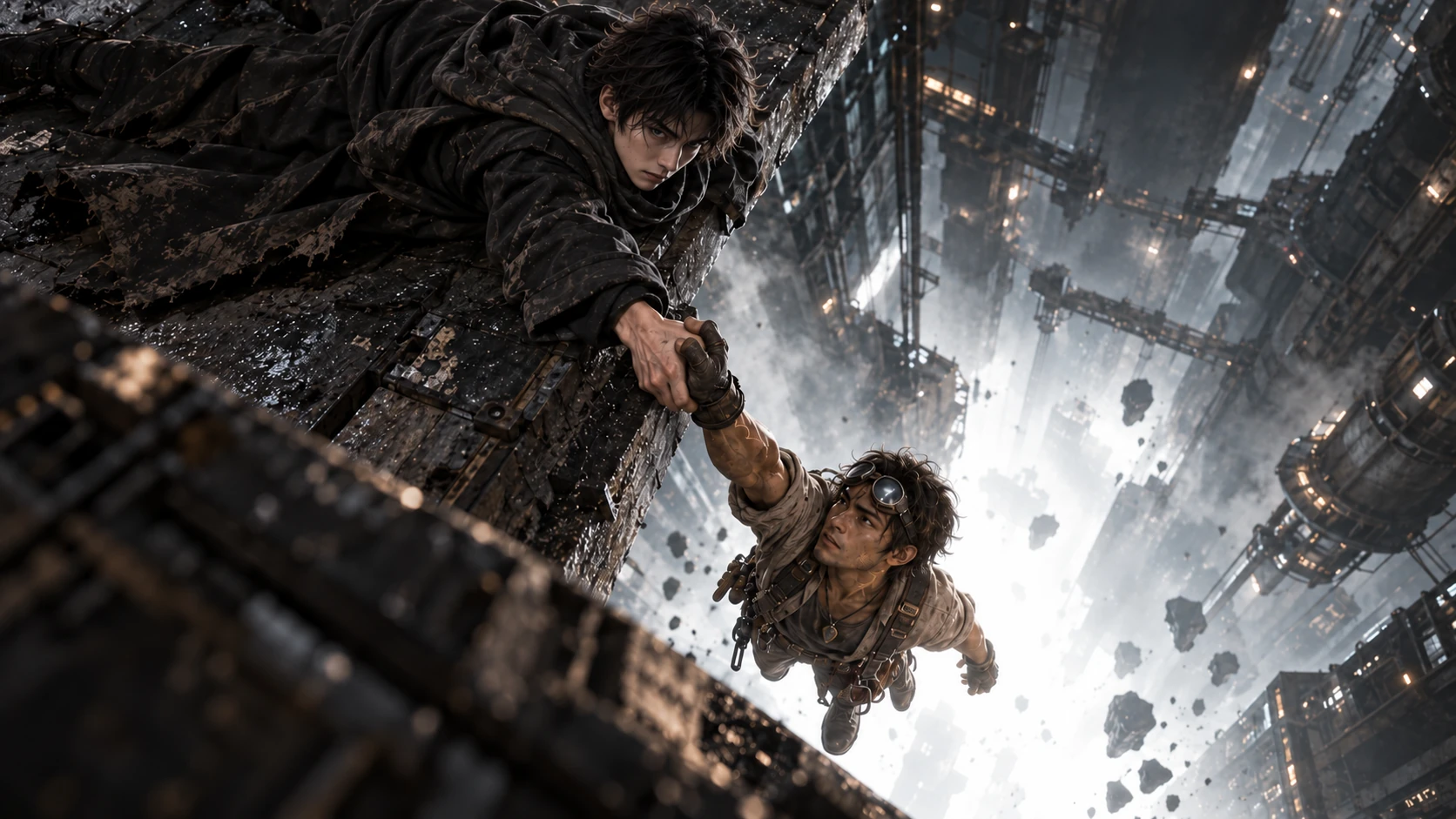
At the end, I opens into we, and the hidden morning becomes a morning spoken aloud. The bell, breath and door return. Their return gives the journey a place to rest while keeping its threshold open. Read alongside Civilization, the song invites a simple, difficult question: what does a world leave unfinished in the people who live within it, and what can those people make together? The last star remembers how to burn. The invitation stays with the listener.